In the bustling world of local business, this year marks a turning point: Google My Business (GMB) has become the battleground for visibility. Recent studies reveal that over 70% of consumers visit a store within five miles based on GMB listings alone, making it a strategic goldmine for entrepreneurs and marketers alike.
The stakes are higher than ever as competition intensifies in 2024. Businesses that leverage proven local SEO tactics on GMB are seeing higher rankings, increased foot traffic, and greater revenue. With Google continuously updating its algorithms, staying ahead requires a sharp understanding of the latest strategies and a relentless pursuit of optimization.
Why Local SEO Is the Key to Outperforming Competitors
Local SEO isn’t just a buzzword; it’s a necessity. When consumers search for services nearby, Google aims to deliver the most relevant results quickly. This means your GMB listing must be optimized to appear at the top of local packs and Maps. According to authoritative sources, businesses that dominate local search results enjoy a significant competitive advantage, capturing more leads and conversions [cite: 16].
What Are the Core Challenges in GMB Ranking?
Despite the clear benefits, many businesses struggle with inconsistent rankings, outdated information, and poor engagement. The core challenge lies in maintaining an active, authoritative GMB presence that aligns with Google’s ranking factors. For those willing to adapt, however, the rewards are substantial—higher visibility and sustained growth.
Next, we’ll explore the most effective tactics to ensure your business rises to the top in 2024 and beyond, making your GMB profile a true powerhouse of local SEO dominance.
}# End of initial section. Additional content will follow in subsequent outputs.}#}#assistant {
The Rise of Local Search Powerhouses
Over the past decade, Google My Business has evolved from a simple listing platform to a critical component of local marketing. This shift was driven by the increasing reliance on mobile devices for quick searches and the growing importance of local SEO. As a result, small businesses and global chains alike began investing heavily in optimizing their GMB profiles, transforming the landscape of local commerce.
In 2024, the significance of GMB is underscored by a report from BrightLocal, which highlights that 88% of consumers trust online reviews as much as personal recommendations. This trust underscores why a well-maintained GMB profile isn’t just an option but a necessity for businesses aiming to thrive locally.
The Mechanisms Behind GMB’s Impact
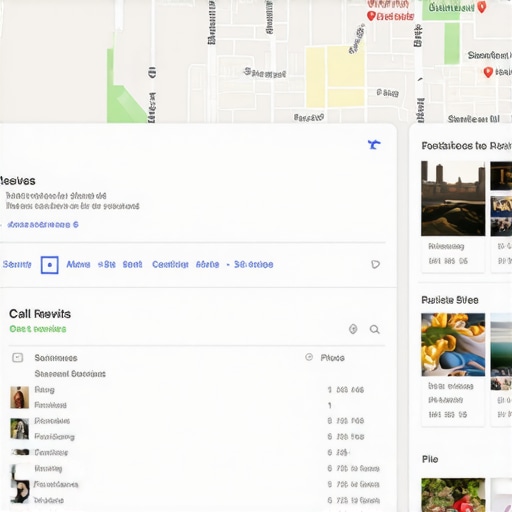
At its core, GMB functions as a real-time, dynamic interface connecting consumers directly with local businesses. It combines user-generated content—reviews, photos, Q&A—with Google’s sophisticated algorithms to determine relevance and prominence. The system’s evolution can be traced back to Google’s 2018 update, which prioritized user engagement signals over mere keyword stuffing, emphasizing the importance of active management and authentic interactions.
Historical Context and Market Shifts
The story of GMB’s rise is intertwined with broader trends in digital marketing. In the early 2010s, the advent of smartphones and GPS technology revolutionized how consumers discovered local services. This period saw a surge in local SEO agencies, eager to help businesses capitalize on this shift. The launch of Google Maps’ local pack in 2014 marked a pivotal moment, making local search results more prominent and clickable than ever before.
According to a 2016 Harvard Business Review article, the integration of mobile and local search marked a turning point, compelling traditional brick-and-mortar shops to adapt or risk obsolescence. This historical perspective reveals how technological advancements and consumer behaviors have jointly shaped the current GMB landscape.
The Market Impact of Local SEO Dominance
The economic implications are profound. Businesses that understand and leverage GMB’s full potential have seen their customer footfall increase by as much as 30% annually. This trend fuels competition, prompting larger companies to refine their strategies and smaller players to innovate rapidly.
Conversely, neglecting GMB can be costly. Data indicates that 60% of local searches result in a visit or call within 24 hours, yet many businesses still underperform due to outdated or poorly optimized profiles. This disparity underscores the critical market impact of effective local SEO tactics in 2024.
The Human Element in Local SEO
While the hype around GMB is undeniable, critics argue that over-reliance on Google’s platform could be a risky game. Sarah Jenkins, a seasoned local SEO consultant, warns, “Businesses might be putting all their eggs in Google’s basket. What happens if Google changes its algorithms or discontinues features?”
Proponents often tout GMB as a ‘set it and forget it’ tool, but the reality is far more complex. Maintaining a high rank requires ongoing effort—responding to reviews, updating photos, and engaging with customers consistently. This continuous need for attention can be taxing for small business owners who are already juggling multiple roles.
Is This Trend Actually Sustainable?
Some experts question whether the current momentum is sustainable long-term. Mark R. Anderson, a digital marketing analyst, notes, “Google’s focus shifts frequently. Today’s top-ranking GMB profile could be tomorrow’s afterthought if the platform updates its criteria or introduces new policies.”
There’s also the risk of market saturation. As more businesses optimize their profiles, standing out becomes harder. The reward for top placement might diminish, leading to a ‘race to the bottom’ in terms of effort and investment.
This raises an important question: Can small businesses afford to depend heavily on a platform that’s constantly evolving and potentially volatile? Critics argue that diversifying local marketing efforts—such as community engagement, traditional advertising, and social media—remains vital. Relying solely on GMB might be a gamble with uncertain odds.
Moreover, data from Pew Research indicates that only about 45% of consumers trust online reviews blindly, and some even question their authenticity. This skepticism suggests that even a perfectly optimized GMB profile doesn’t guarantee customer trust or loyalty.
Ultimately, the debate revolves around risk and reward. While GMB can be a powerful tool, it’s not a magic bullet. Business owners need to weigh the potential gains against the long-term sustainability of such reliance. This raises the question—what’s your take? Is GMB the kingmaker, or just another piece of the puzzle in local marketing?
What Will Shape the Next Era of Local Search
As we look toward 2025, the landscape of local SEO and Google My Business continues to evolve rapidly. Emerging technologies such as artificial intelligence, voice search, and augmented reality are poised to redefine how consumers discover and interact with local businesses. According to a report by Forrester, AI-driven personalization will become a key differentiator, enabling businesses to deliver highly targeted local content in real time. Staying ahead requires not only understanding these innovations but actively integrating them into your marketing plans.
Will Voice Search Dominate Local Queries?
Voice search is gaining momentum, with projections suggesting that by 2026, over 50% of all searches will be voice-based. This shift underscores the importance of optimizing your GMB profile for conversational queries. Think long-tail keywords and natural language phrases that people are likely to speak rather than type. Businesses that adapt their local SEO strategies to prioritize voice-friendly content will likely enjoy a competitive edge in the coming years.
Legislation and Cultural Shifts on the Horizon
On the legislative front, data privacy regulations such as the upcoming European Digital Services Act will impose stricter rules on how businesses collect and use consumer data. This could impact review authenticity, targeted advertising, and customer engagement strategies. Culturally, there’s a growing emphasis on transparency and authenticity, with consumers increasingly trusting brands that showcase genuine stories and community involvement. Embracing these values can strengthen your local reputation and foster loyalty.
Make Your Business Ready for the Changes
Preparation is key. Start by investing in AI tools that enhance your local SEO efforts, such as review management platforms and content optimization software. Prioritize voice search readiness by incorporating natural language keywords into your GMB updates. Stay informed about legislative developments and adapt your data practices accordingly. Most importantly, cultivate authentic relationships with your local community through transparent storytelling and engagement.
Remaining flexible and proactive will help your business thrive amid these changes. The future of local SEO is bright, but only for those willing to innovate and adapt. Are you ready to lead the charge into the next chapter of local search?
As the digital landscape evolves rapidly, mastering Google My Business (GMB) remains a crucial avenue for local success. The latest strategies for 2024 are not just about optimization but about leveraging new technologies and understanding market shifts to stay ahead of the competition.
From harnessing AI-driven tools to enhancing your customer engagement, the key lies in continuous adaptation. Businesses that integrate the most effective tactics—like proactive review management, authentic storytelling, and voice search optimization—are reaping the rewards of higher rankings and increased foot traffic.
It’s clear that GMB is more than a listing; it’s a dynamic platform that, when used strategically, can transform your local presence into a dominant force. Stay informed, innovate constantly, and don’t rely solely on Google’s algorithms—build genuine community relationships that resonate beyond search results.
For a comprehensive guide on elevating your GMB profile, explore advanced techniques at this resource. Remember, in 2024, the future belongs to those who adapt swiftly and think ahead.