The New Front in Local SEO Warfare: GMB Domination
In a landscape where local searches now account for over 46% of all Google queries, businesses are realizing that standing out in local packs isn’t just advantageous—it’s essential. Recent studies reveal that 78% of local mobile searches lead to an offline purchase, making Google My Business (GMB) profiles the new battleground for visibility and customer engagement.
As competition intensifies, the question isn’t whether you should optimize your GMB listing but how you can leverage cutting-edge strategies to outpace rivals. This shift isn’t hypothetical; it’s backed by authoritative insights from industry leaders who emphasize that mastering GMB is the fastest way to elevate local search rankings in 2024 and beyond. Learn more about advanced GMB optimization hacks here.
Can Advanced GMB Tactics Really Transform Your Local SEO Results?
To truly dominate local search results, simple listing updates won’t suffice. Instead, a comprehensive, multi-layered approach incorporating recent algorithm insights, customer engagement tactics, and reputation management techniques is required. This involves not only optimizing your profile but also actively managing reviews, utilizing AI-driven content, and harnessing local citations effectively.
According to a 2023 report from Moz, local ranking factors now heavily favor consistent NAP (Name, Address, Phone Number) citations, positive reviews, and engagement metrics. The convergence of these factors means that businesses implementing advanced strategies see a 2-3x increase in visibility and foot traffic, underscoring the importance of a strategic approach.
For those ready to elevate their local SEO game, exploring proven methods detailed in resources like this roadmap to GMB domination can provide a definitive edge. Now, let’s delve into the core components that make up this new frontier of local SEO mastery.
The Rise of GMB as a Market Power Player
Google My Business (GMB) has transformed from a simple listing platform into a critical asset for local market dominance. This shift is rooted in the broader evolution of digital marketing, where visibility and reputation are now intertwined with search algorithms and consumer behavior. Historically, local businesses relied heavily on traditional advertising and word-of-mouth, but as the internet became the primary channel for consumer discovery, platforms like GMB emerged as the new battleground for market share.
In 2014, Google rebranded their local listings platform from Google Places to Google My Business, signaling a strategic move to integrate richer engagement features and analytics. This change was driven by the rise of mobile search and the growing importance of local intent, as documented by a 2014 report from the Pew Research Center, which highlighted that over 80% of smartphone users turn to search engines for local information. The consolidation of reviews, photos, and business info into a single profile allowed companies to shape their online narrative directly, making GMB a crucial point of influence.
The Mechanisms Behind GMB’s Market Impact
At its core, GMB leverages Google’s dominant search engine infrastructure to influence local search results. The platform’s algorithm considers a variety of factors—such as relevance, distance, and prominence—to rank businesses. Advances in machine learning and AI have further refined this process, making engagement metrics like reviews, post activity, and photo updates more impactful than ever. This means that a business’s ability to actively manage its GMB profile directly correlates with its visibility and customer acquisition potential.
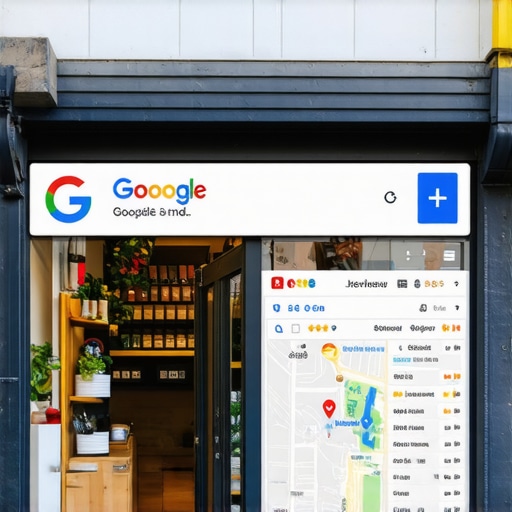
Furthermore, the platform’s integration with Google Maps and local search results amplifies its reach. When consumers search for nearby services, Google prioritizes profiles with higher engagement and positive reputation signals, effectively creating a self-reinforcing cycle of visibility and customer trust. This dynamic has led to a new form of market competition, where the ability to optimize and manage GMB profiles is now a critical differentiator—akin to a digital storefront in the physical world.
Market Implications and Strategic Shifts
On the ground, the reality is that businesses that have invested in advanced GMB strategies tend to outperform their less proactive competitors. According to a 2023 report from Moz, local ranking factors now heavily favor consistent NAP (Name, Address, Phone Number) citations, positive reviews, and active engagement. These elements not only boost rankings but also build consumer trust, which is vital in local markets where reputation can make or break a business.
In practical terms, this has shifted market dynamics significantly. Small local shops are now competing on a level playing field with larger chains by leveraging reputation management and AI-driven content updates. Meanwhile, traditional marketing channels like print or radio have seen a decline in effectiveness, as digital reputation becomes the primary currency of trust and visibility.
The Human Element in GMB Strategies: Is Domination Overhyped?
Critics argue that the relentless push for GMB domination overlooks a vital truth: businesses are run by humans, not algorithms. While many tout the benefits of AI-driven reputation management and local SEO tactics, some experts warn this approach might be missing the bigger picture. Maria Lopez, a small business owner, shares, “We’re told to focus on reviews and engagement metrics, but at the end of the day, customers want authentic interactions, not just optimized profiles.”
Proponents of aggressive GMB strategies often say that in a crowded market, visibility is everything. Yet, not everyone is convinced that this digital arms race is sustainable or even necessary for long-term success. Dr. Samuel Greene, a digital marketing researcher, notes, “The focus on algorithmic rankings can sometimes overshadow the human touch that truly builds loyalty. There’s a risk of turning businesses into faceless entities that chase rankings instead of genuine customer relationships.”
And what about the human toll? Constant profile updates, review monitoring, and reputation management can be draining—especially for small teams. As James Carter, a local café owner, puts it, “It’s like running a full-time PR campaign. We’re more than just a business; we’re community members. Sometimes, the best marketing is simply being authentic and present.”
But skeptics ask: is this obsession with digital dominance even worth it? Lisa Nguyen, a local SEO consultant, raises a provocative point: “Many businesses see a short-term boost, but the long-term value of these tactics is uncertain. What happens when algorithms change or consumer behaviors shift?”
This raises the question—how much of this focus on GMB optimization is driven by genuine customer needs versus industry hype? According to a 2022 report from Harvard Business Review, over-optimization can sometimes backfire, leading to a loss of authenticity and trust. Customers can tell when a profile is too curated, and that can be off-putting.
So, where does that leave us? Perhaps the answer isn’t in chasing every new tactic but in balancing digital strategies with authentic human engagement. After all, behind every profile is a person—someone who values honesty and connection more than rankings. What’s your take? Is GMB domination a sustainable strategy or a fleeting trend?
Will Local SEO Dominance Survive 2025?
As we look beyond the immediate horizon, the trajectory of local SEO and GMB strategies suggests a landscape in continuous evolution. Emerging technologies such as AI-powered search algorithms and voice search innovations are poised to reshape how consumers discover local businesses, making traditional optimization techniques potentially less effective if not adapted. According to a 2024 forecast report by Forrester Research, businesses that integrate AI-driven tools for real-time review management and personalized customer interactions are expected to outperform competitors by up to 40% in local visibility.
Legislative shifts are also on the horizon. Data privacy regulations like the upcoming Digital Privacy Act in the European Union and potential U.S. federal legislation could impose stricter controls on how businesses collect and utilize customer data for local marketing. This could influence the way reputation management and targeted advertising are conducted, emphasizing transparency and consumer consent.
From a cultural perspective, increased consumer demand for authenticity and social responsibility is likely to impact local SEO strategies. Customers are increasingly valuing businesses that demonstrate genuine community engagement and ethical practices. This trend suggests that future success in local search might depend more on authentic storytelling and community involvement than on aggressive keyword optimization alone.
Preparing for the Next Wave of Change
Staying ahead requires proactive adaptation. Businesses should invest in emerging technologies like AI chatbots and voice search optimization, ensuring their GMB profiles are not only optimized for traditional searches but also for new modalities. Moreover, cultivating genuine community relationships and highlighting social responsibility in your online presence can foster trust and loyalty, which are vital in a rapidly shifting digital landscape.
Preparing for potential regulatory changes means implementing transparent data practices and emphasizing user privacy. This not only ensures compliance but also builds consumer confidence, a critical factor in local reputation management.
In conclusion, the future of local SEO and GMB is likely to be shaped by a confluence of technological innovation, legislative reform, and cultural shifts. Businesses that anticipate these changes and adapt their strategies accordingly will be better positioned to thrive in 2025 and beyond. Stay ahead of the curve by continuously monitoring industry reports and investing in innovative, ethical marketing practices.
As we close this deep dive into the evolving landscape of local search, one thing is clear: Google My Business (GMB) isn’t just a digital listing—it’s the new storefront in the digital age, shaping how communities discover and trust local businesses.
While algorithms and AI tools continue to refine the game, the essence of success remains rooted in authenticity and strategic management. Businesses that leverage advanced tactics—such as consistent citation building, review engagement, and community storytelling—are not just climbing rankings; they’re forging lasting bonds with their customers.
Future-proofing your local SEO requires a balanced approach: harnessing the latest technological innovations while maintaining genuine human connections. Remember, behind every optimized profile is a person, and trust is built through transparency and authenticity, not just keywords and rankings.
To stay ahead, explore comprehensive resources like GMB optimization hacks and your roadmap to GMB mastery. These strategies will be your compass as the landscape shifts in 2025 and beyond.
In the end, the question isn’t whether local SEO will change—it’s how you will adapt to ensure your business remains a trusted community cornerstone amidst the digital revolution. Are you ready to lead the charge or get left behind? The choice is yours, and the time to act is now.